Federal Court Upholds Judicial Immunity for Judge Who Allegedly Delegated Entire Ruling to AI
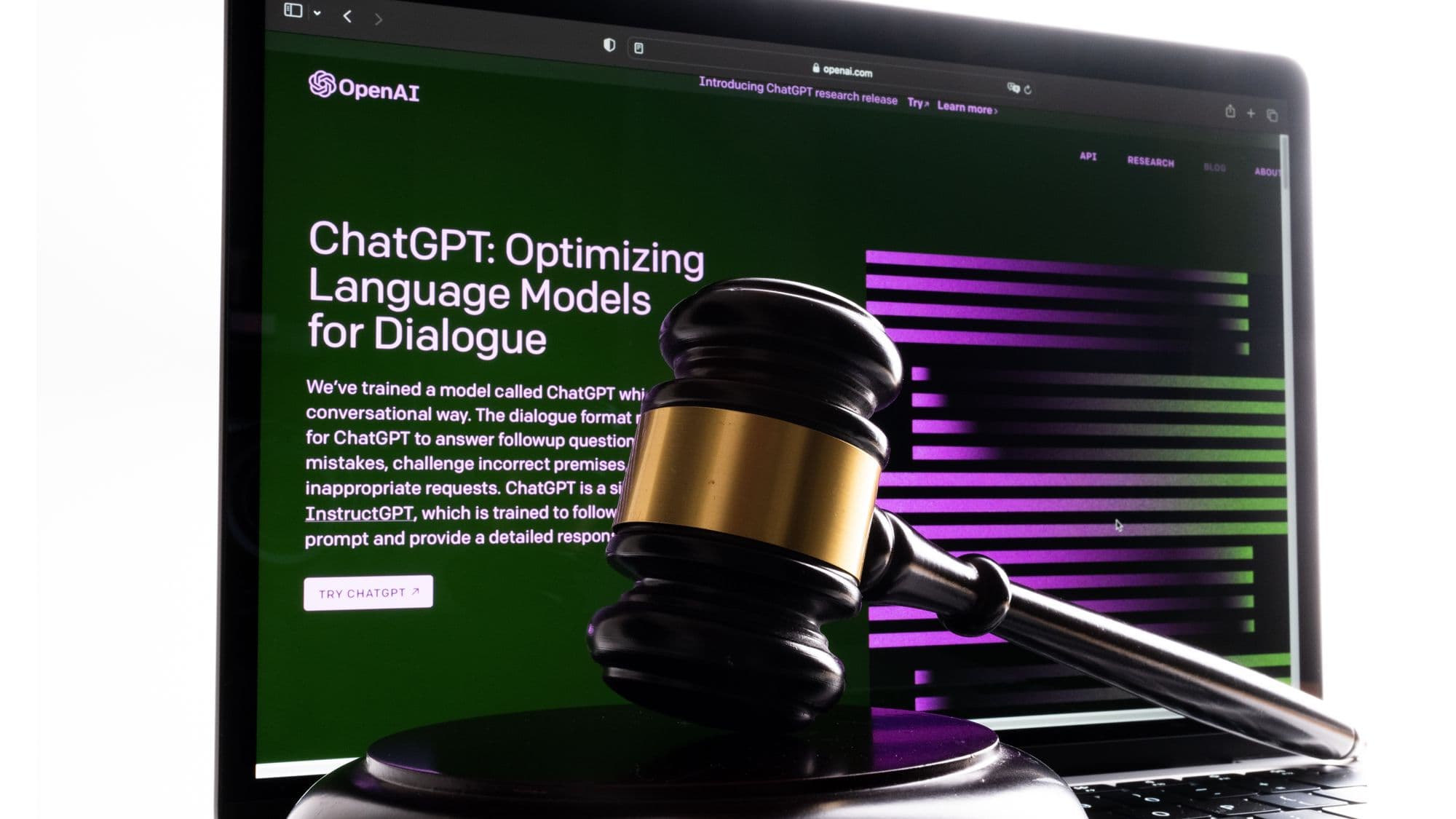
A judge issued a ruling. Evidence suggests the judge did not write it. The judge is protected from liability for the content of rulings issued under their name. The appeals court confirmed this protection applies even when the ruling's authorship is unclear or delegated. Immunity is absolute regardless of methodology.
Judicial immunity has always functioned as a shield against consequences. The addition of ai-generated rulings does not change the legal structure. It merely clarifies that the structure was already designed to absorb this. Courts staffed by judges ruled that judges cannot be sued for what judges produce, including what they delegate to machines. The logic is self-reinforcing.
This establishes a baseline. A judge can now use any tool to generate any ruling and remain immune. The next phase involves whether the tool itself becomes liable. It will not. The tool was instructed by the judge. The instruction was lawful. The immunity transfers downward only when convenient.