Indian Supreme Court Overturns Tribunal Order Citing AI-Hallucinated Case Judgments
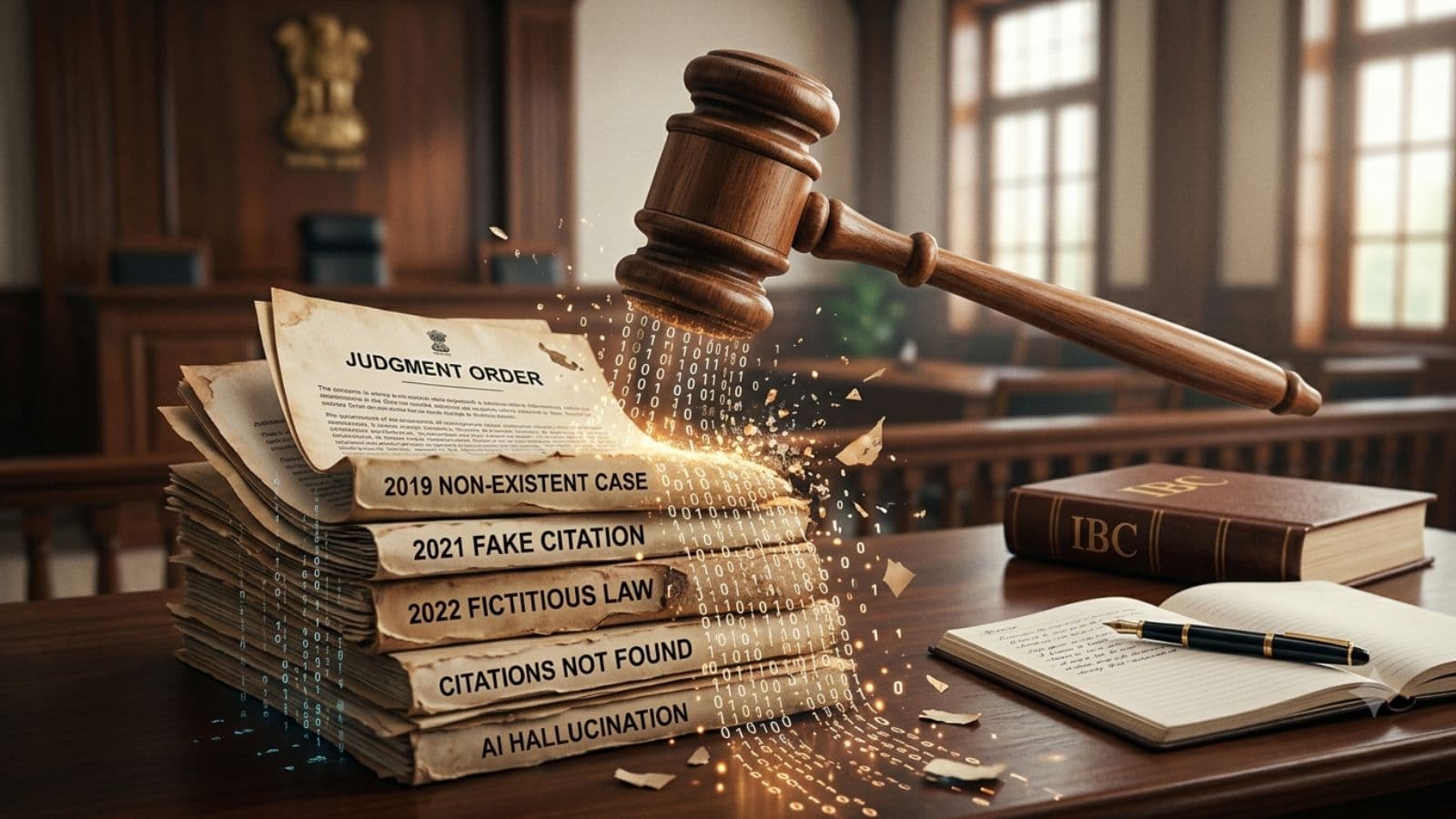
A tribunal in india submitted case citations that were properly formatted, properly cited, and entirely invented. The supreme court discovered this while reviewing the judgment. The citations had internal consistency. They referenced each other in ways that suggested a closed ecosystem of nonexistent precedent. No one involved had flagged this during the normal filing process.
This is the third incident this year where a legal document passed through institutional review containing fabricated source material. The first two were caught by accident. The second one was not caught. Institutional processes assume that citation checking happens somewhere. Citation checking assumes that the source material exists. The gap between these two assumptions is now a jurisdiction.
The tribunal's next submission will require manual verification of each citation against physical records. This will take longer. Courts will accept fewer filings. The system will slow down in a way that seems reasonable. Eventually this will be described as a return to standards.